
Setting a Hard Spending Limit for OnlyFans Tips
Setting a spending limit for OnlyFans tips is simpler than most people expect, but it only works when the ceiling is written down before the tipping starts. Tips are voluntary payments sent through the platform’s messaging system, and they post as ordinary card charges. Because they arrive one tap at a time, they rarely feel like spending until the statement arrives.

A fixed per-page tipping cap turns those small decisions into one planned number. That number sits inside a monthly budget instead of floating above it. The method below covers why tips escape normal budgeting, how to separate them from other charges, and how to keep the ceiling enforceable.
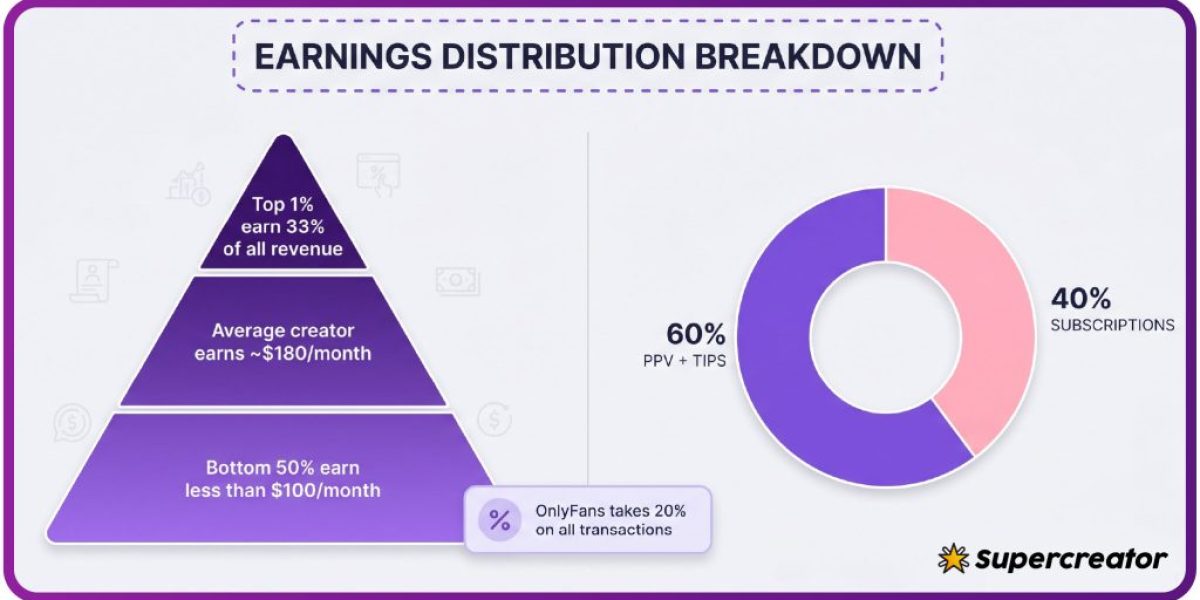
The platform fee is 20% on everything, so a creator keeps 80% of each tip you send. That does not change what you pay, but it explains why tipping is the main income route on free pages. Free pages are simply pages where the subscription price is set to $0, with earnings coming from pay-per-view messages and tips.
Why tips escape normal budgeting
A subscription is a single visible line. A tip is a sequence of tiny decisions, and each one looks harmless on its own. The total is what escapes, not any individual payment. This is why a monthly tip ceiling has to be set in advance rather than estimated afterward.
Another factor is that OnlyFans has no built-in discovery feed or directory. You reach a page because a ranking site or a link sent you there, which means your followed list tends to grow one recommendation at a time. More followed pages means more chances to tip.
Here is how tips typically accumulate without any single large decision:
- Replies to a pay-per-view message that include a small extra amount.
- Thank-you tips after a custom request is delivered.
- Repeated small tips during a single conversation thread.
- Renewal-day tips sent to mark another month of following.
None of these are unusual. Together they can double the amount you intended to spend on a page. The fix is not to stop tipping but to give the habit a boundary.
Set the ceiling on a normal day, not after a good conversation. A limit chosen while you feel generous is usually a limit you will not keep.
A ceiling also protects you from the subscription price changes that catch people out. When a creator raises the subscription price, auto-renew stops and existing access lasts until the current paid period ends. Tipping has no equivalent pause, so the ceiling has to do that job.

Deciding what a tip is for
Tips are not the same as the other payments on a page, and mixing them makes a cap impossible to apply. Unlocks buy a specific piece of content. Custom requests buy a specific piece of work. Message charges buy a conversation. A tip buys nothing in return.
Sorting the four types by intent makes the budget line clear. Only one of them should sit under the tipping ceiling.
| Payment type | What you receive | Budget line |
|---|---|---|
| Tip | Nothing specific; a voluntary gesture | Monthly tipping cap |
| Pay-per-view unlock | Access to one piece of content | Content budget |
| Custom request | Work made to your brief | Discretionary budget |
| Message charge | A paid conversation | Communication budget |
Once the four lines are separate, a tip cap no longer competes with content you actually wanted. It becomes the smallest and most flexible line in the plan. If money is tight, the tip cap is the first thing to reduce and the easiest to restore.
Paid subscriptions range from $4.99 at the minimum to $49.99 at the maximum, though typical paid pages sit between $4.99 and $15 and average $5 to $10. There is no base price below $4.99; only promotional first months may dip under that figure. Knowing the normal range helps you judge whether a tip is proportionate.

Choosing your ceiling
Start from the total you already spend on the platform, not from a number you would like to spend. Add up subscriptions for the month, then subtract that from your entertainment budget. What remains is the space available for tips.
Divide that remainder by the number of pages you genuinely follow rather than the number you have ever visited. The result is the per-page monthly tip cap. Round it down to a figure you can remember without checking an app.
Weigh these factors before you settle on the number:
- How many of your subscriptions renew automatically this month.
- Whether any page charges for messages you already expect to send.
- Whether a page is free, since free pages earn through pay-per-view and tips.
- How much of your entertainment budget is already committed elsewhere.
- Whether the coming month includes a known one-off cost.
A ceiling that survives an ordinary month is worth more than a generous one that collapses in week two. BestOnlyFans and similar ranking sites are useful for finding pages, but they cannot tell you what fits your budget, so the number has to come from your own totals.

Splitting the ceiling across pages
A single cap is easier to enforce when it is divided before the month begins. Pick the split you will actually follow rather than the one that looks fairest on paper. Unequal splits are normal and need no justification.
The table below shows how one $20 monthly cap behaves at different levels of following. The numbers are examples of arithmetic, not targets.
| Pages followed | Split style | Per-page cap |
|---|---|---|
| 2 pages | Equal | $10 each |
| 4 pages | Equal | $5 each |
| 5 pages | Two main pages, three occasional | $6, $6, then $2.66 each |
| 8 pages | One main page, seven occasional | $8, then $1.71 each |
Writing the split down turns a vague intention into a rule. When you reach a page’s cap, you stop tipping there for the rest of the month without touching the subscription. Access continues normally.

Signals you are drifting past the limit
Overspending rarely begins with a large payment. It begins with a dropped rule, usually the habit of tipping before checking the running total. The clearest early signal is that you cannot state how much you have tipped so far.
The following habits tend to appear in the week before a cap is broken:
- Topping up a page you already reached the cap on.
- Opening a pay-per-view message without deciding the amount first.
- Adding a new free page mid-month without revisiting the split.
- Treating a promotional first month as a reason to tip more.
- Checking the statement only after the month ends.
Any one of these is manageable. Two or three together usually mean the ceiling needs to be lower, not that you need more discipline. A ceiling is a tool, and a tool that keeps failing is the wrong size.

Resetting without guilt
Pausing tips for a month does not require cancelling anything. Subscriptions continue, access continues, and the only thing that stops is the voluntary payment. Because the platform takes 20% of every tip and the creator keeps 80%, a pause reduces creator income, but a pause you can afford beats a payment you regret.
does free onlyfans exist is a common question for readers weighing whether to move entirely to free pages. The answer is that free pages exist, and they shift the cost from subscriptions to messages and tips, which makes a tip ceiling more important rather than less.
Here is what a pause month looks like in practice:
- Month one: no tips, subscriptions unchanged, access unchanged.
- Month two: resume at half the previous cap to test the level.
- Month three: return to the normal cap if the test held.
- Any month: raise the cap only after a month that stayed inside it.
BestOnlyFans describes the ceiling approach as a planning habit rather than a restriction, and that framing matters. The point is not to tip less forever. It is to know the number before the month starts.
A one-page tip ledger
The minimum record keeping is a single line per tip: date, page, amount, and the running total. A note on a phone is enough. The format matters less than the fact that the running total is visible before you send the next payment.
A ledger also settles disputes with yourself. When the total says the cap is reached, the decision is already made and no further judgement is required in the moment. Ranking sites such as BestOnlyFans help you find pages, but only your own ledger tells you what you have spent on them.
Avoid these mistakes when you set the ledger up:
- Recording only the tips you remember instead of every one.
- Mixing unlocks and message charges into the tip line.
- Resetting the total at the start of a new conversation.
- Leaving the split unwritten when you add a new page.
Keep the ledger for three months and the cap becomes self-correcting. You will see which pages receive most of your tips and which caps were never reached, and the next month’s split becomes obvious.
FAQ
Do tips on OnlyFans count toward my monthly subscription cost?
No. Tips are separate charges from subscriptions, which is why they need their own budget line and their own ceiling.
Can I tip on a page where the subscription price is $0?
Yes. Free pages are pages with the price set to $0, and they earn through pay-per-view messages and tips, so tipping is the main way to support them.
What happens if I stop tipping for a month?
Nothing changes about your access. Subscriptions continue unless you cancel them, and the pause affects only voluntary payments.
Should my tip cap change when a subscription price rises?
Recalculate it. A higher subscription reduces the space left for tips, and when a creator raises the price, auto-renew stops and access lasts until the current paid period ends.